H1: How to Identify Anonymous Website Visitors (and Convert Them With Personalized Microsites)
The “dark funnel” is real: a huge share of B2B research happens away from your sales team, and by the time someone lands on your site, you need to act fast.
Upvert’s premise: don’t wait for a form fill. Use identification + intent to tailor the experience while they browse.
Step 1: Define what “high intent” means on your site
Pick 5–10 behaviors that correlate with revenue. Examples:
- Pricing visit
- Case study view
- Integration docs
- “Return visit” within 7 days
- Comparison page views
Step 2: Decide your identification depth
- Minimum viable: company + ICP match
- Best-in-class: company + person + role + buying committee view
Step 3: Capture first-party intent (onsite)
Track session details like: pages visited, repeat visits, and which assets they engage with. This is the most reliable “truth” you own because it’s your data.
Step 4: Add identity capture moments (without killing conversion)
Use methods that don’t depend on “fill out the form”:
- Email clicks from outbound campaigns
- Chat identity capture
- SSO/logins when applicable
- Lightweight “get the PDF” micro-conversions tied to intent (only when it’s relevant)
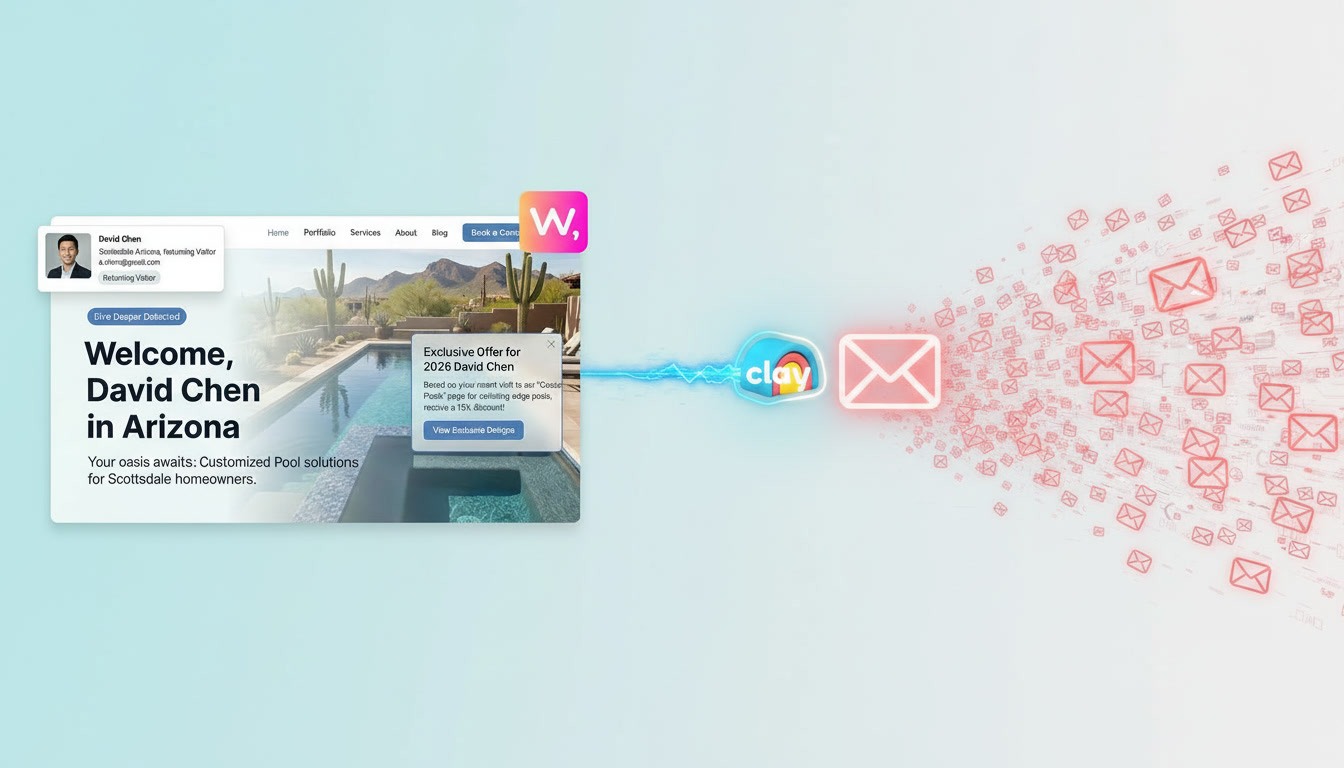
Step 5: Convert with an Upvert personalized microsite
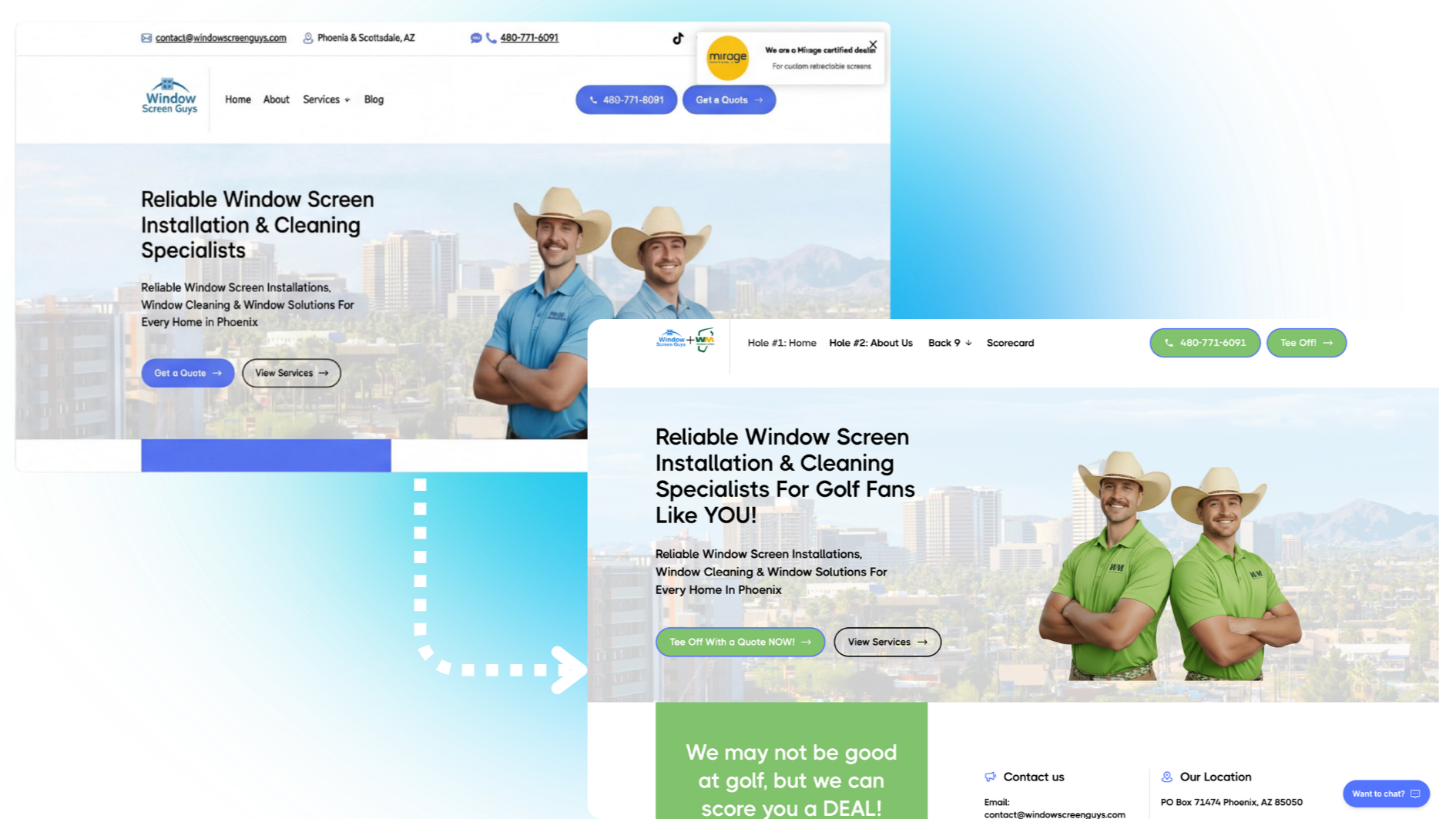
This is where most teams leave money on the table: they identify—but they don’t adapt.
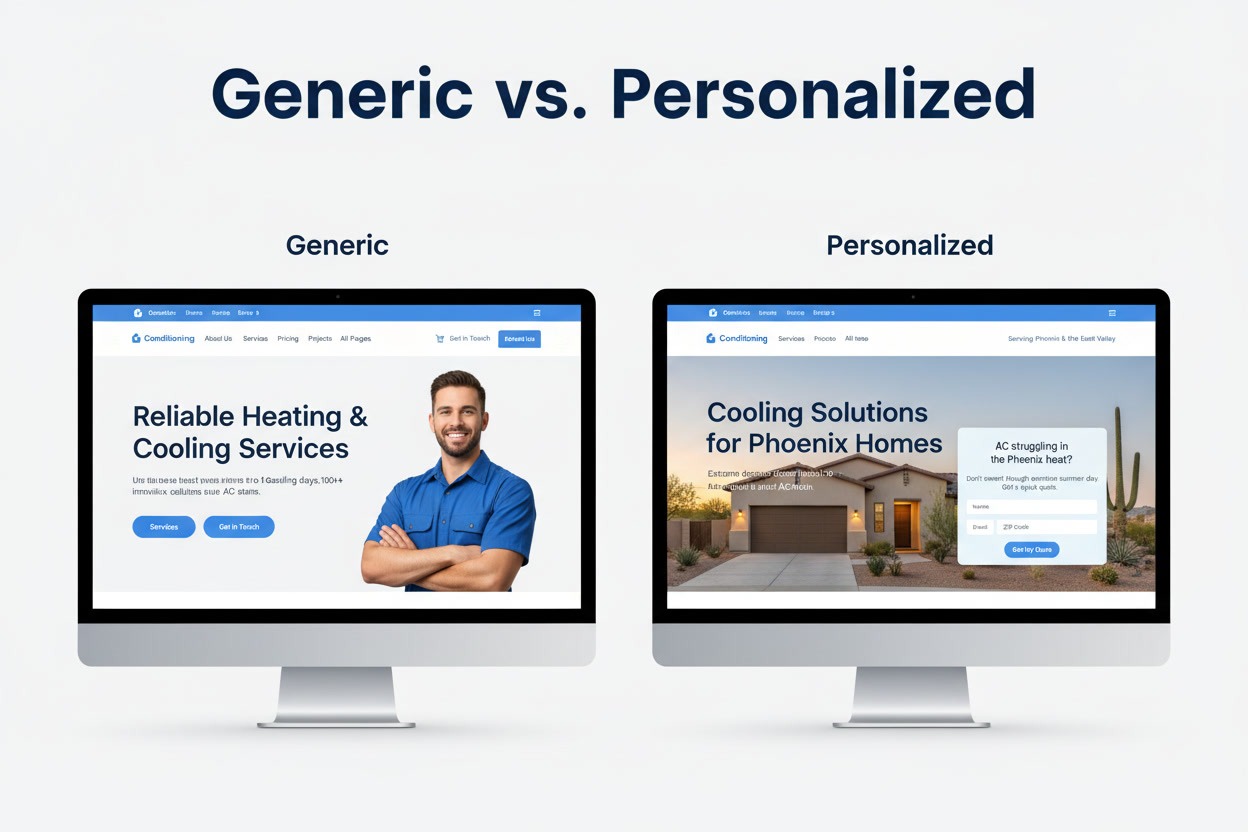
Upvert microsites let you swap:
- Headline + hero copy
- Social proof logos (relevant to their industry)
- Case studies + outcomes
- CTA type and urgency
- “What to expect” section for demos
Why this matters: median landing page conversion rates are materially higher than typical sitewide conversion, and personalized CTAs can outperform generic CTAs by a wide margin.
Step 6: Use intent-powered popups as the “last-mile” assist
Popups work when they’re targeted. Use them for:
- Exit intent on pricing
- Second visit to a high-intent page
- ICP match + case study view
- Competitor comparison signals
Targeted popups convert substantially better than untargeted, and strong campaigns can reach very high rates in high-relevance scenarios.
Step 7: Sync outcomes to your revenue workflow
Once a visitor converts (or shows high intent), route them to:
- SDR/AE alerts with context (“viewed X, compared Y, returned twice”)
- Email nurture based on stage (awareness vs decision)
- Retargeting audiences based on intent pages
👉🏻 Try Upvert for free today.


.svg)