Most B2B websites convert ~1–2% because they treat every visitor the same. The bigger problem: over 95% of visitors are anonymous, so you can’t tailor the experience even if you want to. Upvert solves both by helping you identify high-intent visitors and instantly route them into personalized microsites and highly targeted popups that match their context and intent.
What “De-anonymization” actually means
De-anonymization is the process of turning “a session in analytics” into useful buyer context—usually at two levels:
- Company-level: which account is on your site
- Contact-level: which person is on your site (harder, more valuable)
This matters because “company intent” tells you who to care about, while “person intent” tells you who to talk to and what to say.
The real unlock: onsite + offsite signals (the “data waterfall”)
A common mistake is relying on a single source (like just IP-based account ID or just enrichment). Modern workflows combine:
- Onsite (first-party) signals: pages visited, repeat visits, clicks, time on key pages
- Offsite signals: research happening elsewhere (social, comparisons, category exploration)
When you combine multiple signal sources, you get higher confidence that the visitor is real, in-market, and worth personalizing for.
The methods you can use to identify visitors
In practice, teams identify visitors through a mix of:
- Forms (low completion rates, so you can’t rely on them alone)
- Outbound email links (UTMs / query params connecting a click to a person)
- Logins / SSO (high-confidence identity)
- Chat / conversations (identity + intent in one motion)
Why “de-anon → Slack alert” is not enough
If the only thing that happens after identification is “send an alert,” you’re still leaving conversion to chance. Upvert’s approach is simple:
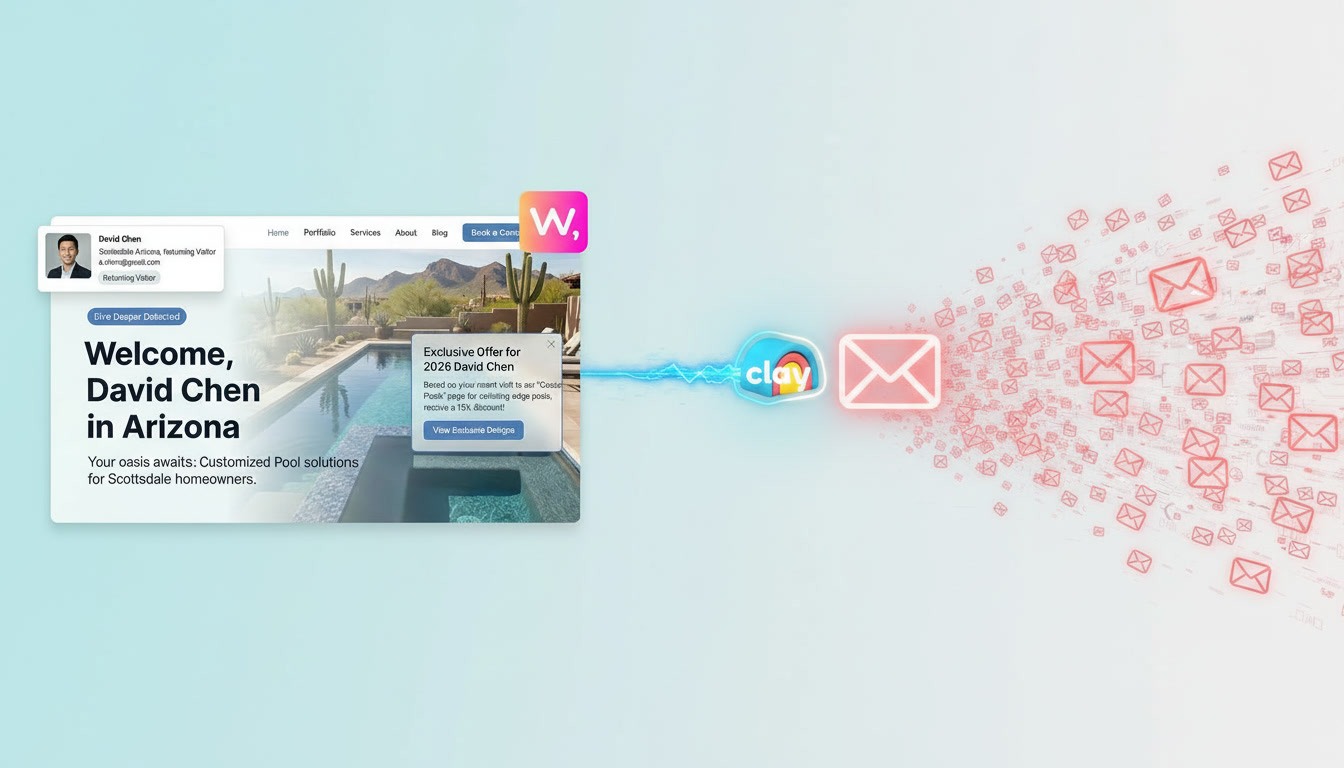
When intent shows up, change the site experience in real time.
Because if a visitor is evaluating solutions right now, the best place to meet them is on the page they’re already reading, not three days later in an SDR sequence.
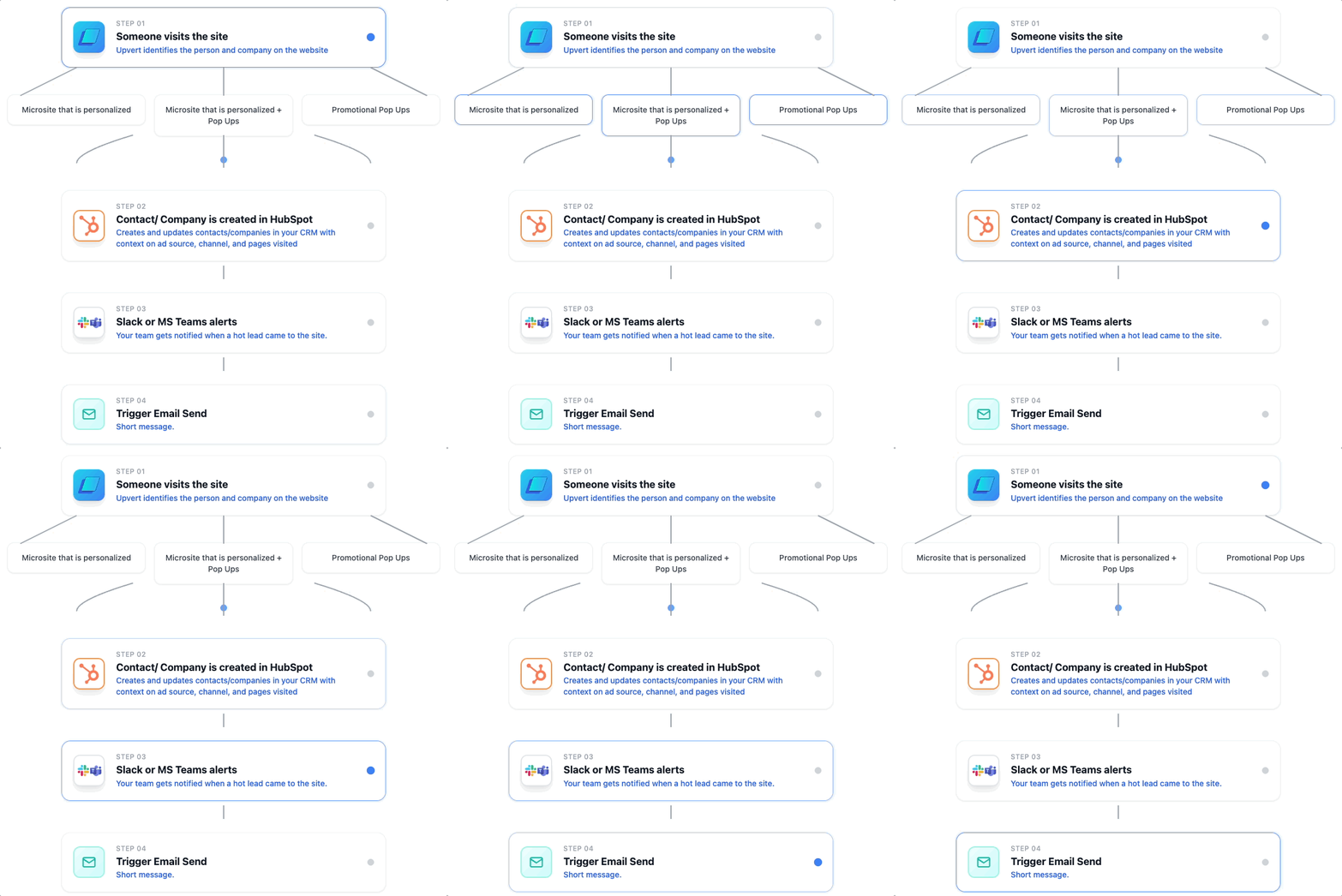
Upvert playbook: de-anon → microsite personalization → meeting
Here’s a clean, practical flow:
- Detect intent
- Pricing page visit
- Multiple visits in a week
- Competitor comparisons
- High-fit firmographics (ICP match)
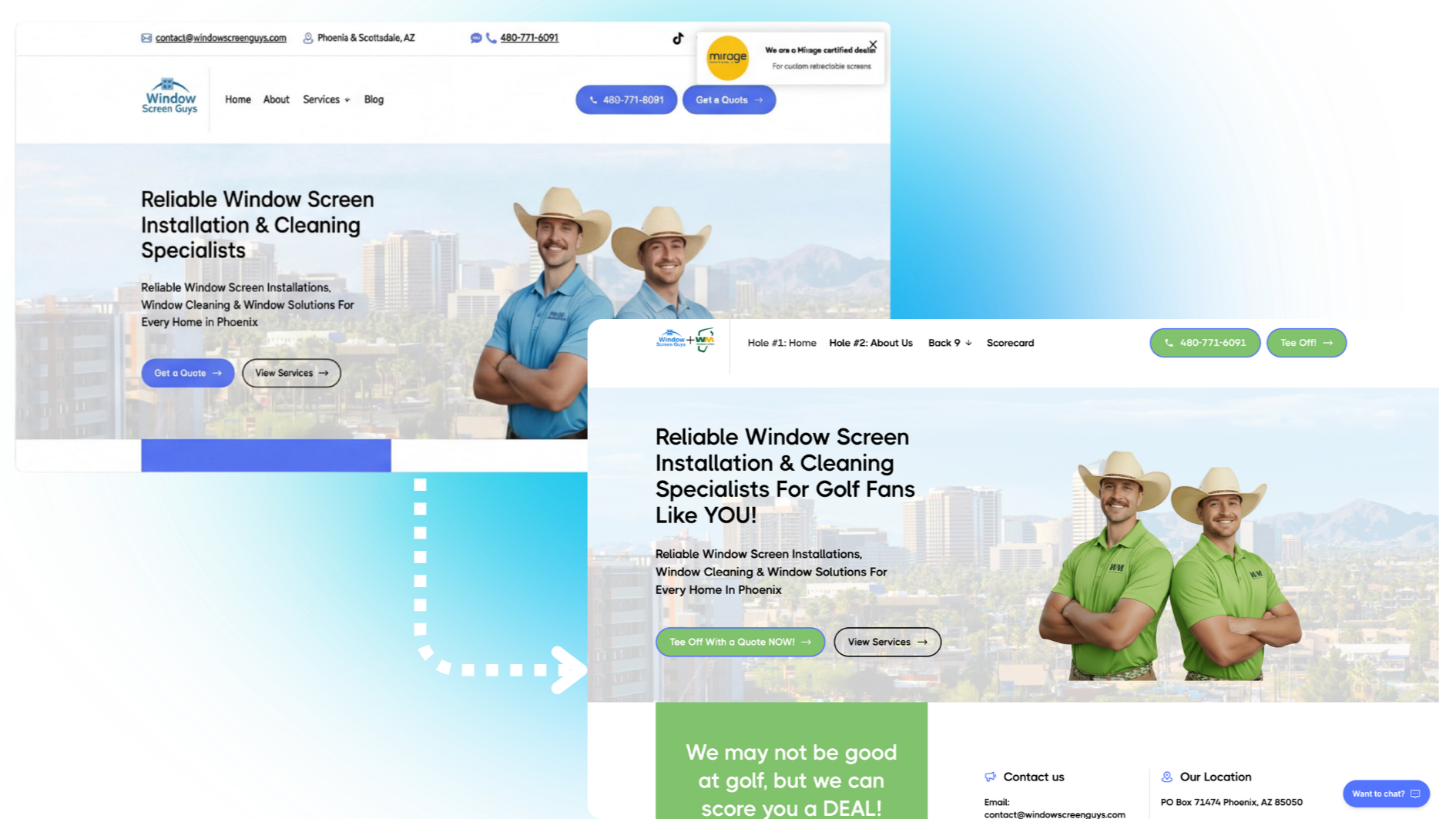
- Route the visitor to a personalized microsite experience
Personalize by: industry, role, use case, ad/campaign source, and stage.- Different hero headline
- Different proof points
- Different CTAs (demo vs case study vs pricing consult)
- Add an intent-powered popup as the “conversion assist”
Use popups only when relevant and tie them to intent. Targeted popups convert materially better than generic ones, and strong campaigns can reach much higher rates in highly relevant scenarios. - Trigger the right next action
- High intent: “Book time with a specialist”
- Mid intent: “Get the 2-page evaluation guide”
- Low intent: “See examples for your industry
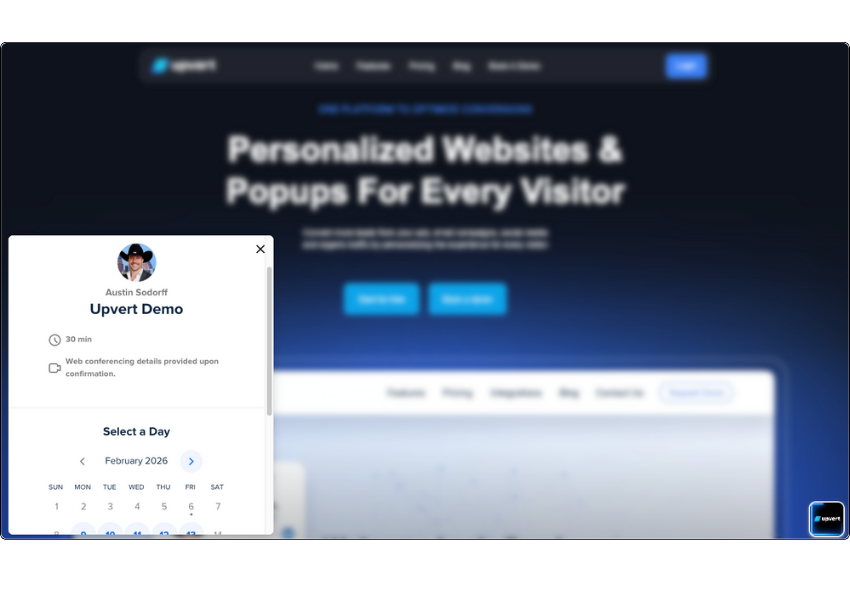
👉🏻 Try Upvert for free today.


.svg)