How an Ecommerce Brand Used Personalized Microsites to Triple Paid Ad Landing Page Conversions
Paid campaigns are only as good as the page they land on. This customer story looks at how a B2B ecommerce enablement platform — selling tools to online sellers across agencies, direct-to-consumer brands, and marketplace merchants — fixed a conversion problem that had nothing to do with ad targeting and everything to do with landing page relevance.
The Short Answer
The company replaced one generic landing page used across all paid campaigns with personalized microsites built per audience segment, matched using UTM parameters and firmographic data from website de-anonymization. Landing page conversion rate went from 2.1% to 6.4% — roughly 3x — and sales cycles shortened because leads arrived pre-qualified with segment context already attached in the CRM.
The Problem: One Page, Three Very Different Buyers
The company ran paid campaigns targeting three distinct segments: agencies managing multiple ecommerce clients, direct-to-consumer brand marketing teams, and independent marketplace sellers. Each segment had different pain points, different objections, and different proof points that would resonate — but every ad, regardless of segment, pointed to the same generic landing page with the same generic headline, the same generic testimonial, and the same generic pricing callout.
The mismatch showed up in the numbers. Click-through rates on the ads themselves were healthy, but landing page conversion sat at a flat 2.1% across all campaigns, well below what the team expected given the ad-level engagement.
The Fix: A Microsite Per Segment
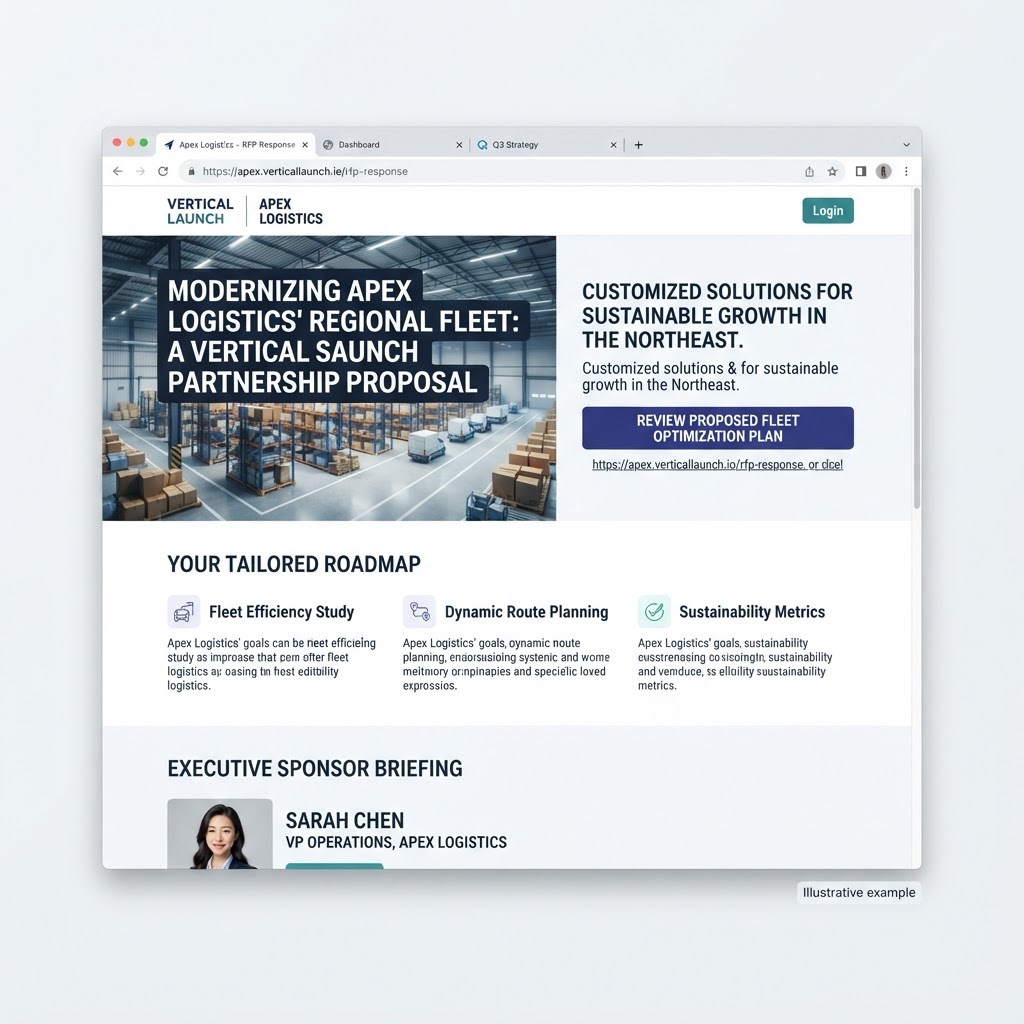
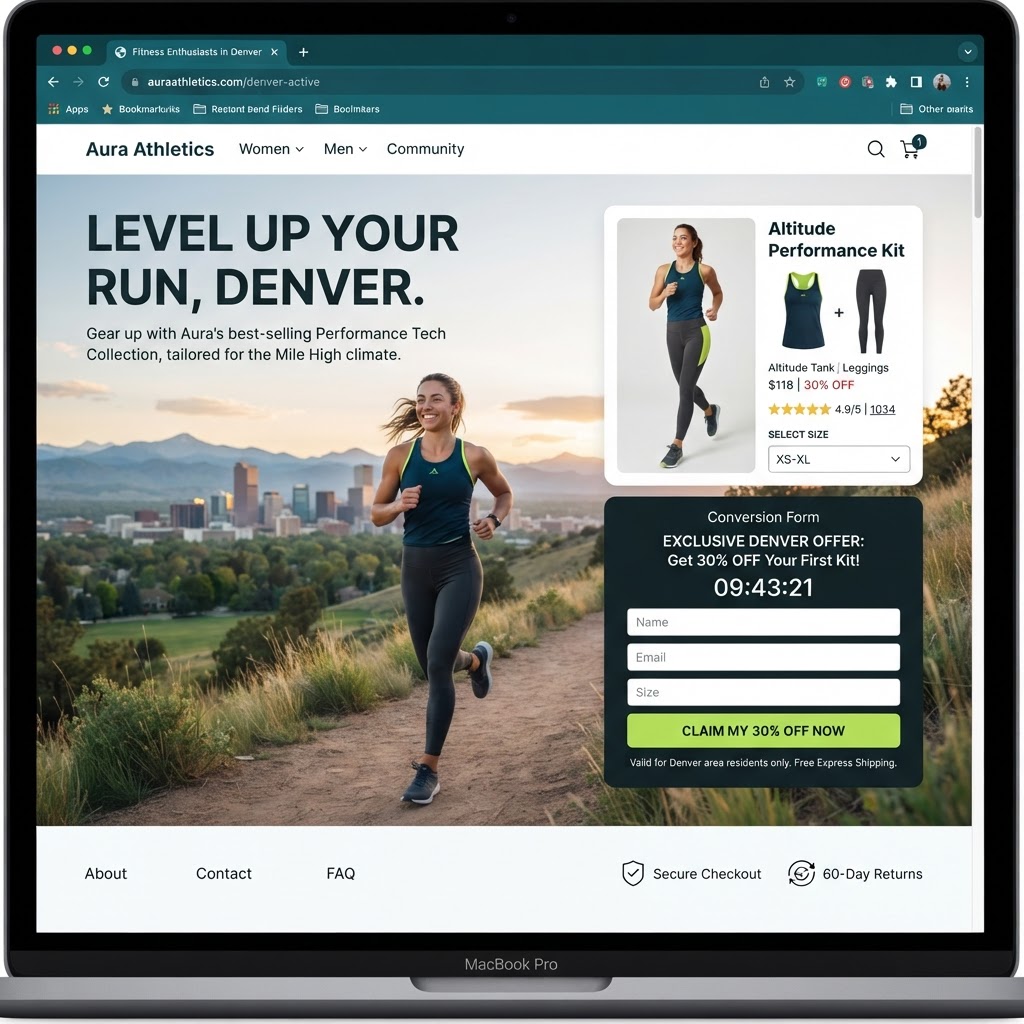
Instead of building one page and hoping it worked for everyone, the team built three personalized microsites, each matched to a specific segment: the agency-facing microsite led with multi-client management features and an agency-specific case study; the DTC brand microsite led with revenue-per-visitor lift and brand-name testimonials; the marketplace-seller microsite led with pricing transparency and a faster time-to-value story.
Visitors were routed to the correct microsite using two signals working together: UTM parameters from the ad campaign itself, and firmographic data resolved through website de-anonymization for visitors where campaign parameters alone weren't specific enough (for example, distinguishing an agency from a direct brand when both clicked a similar ad unit). No-code segment rules meant marketing could launch and adjust each microsite independently without engineering involvement.
The Results
Landing page conversion rate rose from 2.1% to 6.4%, roughly a 3x improvement, with the largest gains on the agency segment where the mismatch between generic messaging and buyer needs had been most severe. Cost per acquisition fell in proportion, since the same ad spend now converted at a much higher rate. A secondary benefit showed up downstream: because each microsite tagged leads with their segment automatically, sales reps opened conversations already knowing whether they were talking to an agency, a brand, or a seller — cutting several minutes of discovery off every first call and shortening the overall sales cycle.
Why Microsites Outperform Generic Landing Pages Here
A generic landing page has to speak to everyone, which usually means it speaks strongly to no one. Personalized microsites let a team keep one core value proposition while swapping the headline, proof points, and CTA to match what each specific buyer actually cares about — without maintaining entirely separate marketing sites or waiting on developer resources for every new campaign.
What's the difference between a microsite and a regular landing page?
A personalized microsite is built and served dynamically per segment or account, pulling from a shared content and design system, so marketing can spin up new variants in minutes rather than building and maintaining separate static pages for every campaign.
How do visitors get routed to the right microsite?
Routing typically combines campaign-level signals (UTM parameters, ad creative, referral source) with firmographic data from website de-anonymization, so even visitors who click a generic ad unit can be routed based on their company's actual industry and size.
Do I need a developer to build a new microsite variant?
No. Upvert's microsite builder is no-code, so marketing teams can launch new segment variants without pulling in engineering for every campaign.
What kind of conversion lift is realistic for personalized microsites?
Results vary by how mismatched the original generic page was to buyer needs, but 2-3x landing page conversion improvements are common when segments have meaningfully different pain points and proof points, as in this case.
Does this work for account-based campaigns too, not just segment-based?
Yes — the same microsite infrastructure that personalizes by segment can personalize by named account for ABM programs, referencing a specific company's name, logo, or use case.
Build a Microsite for Every Segment You Sell To
If one landing page is doing the job of three different buyer conversations, it's worth testing a segment-specific approach. Book a demo of Upvert to see the microsite builder, or view pricing to plan your rollout.