Q3 Close Countdown: How B2B Teams Use Intent-Triggered Popups to Rescue Pipeline Before Quarter-End
With Q3 2026 closing at the end of September, B2B sales and marketing teams can use intent-triggered popups — scoped to returning visitors, pricing-page depth, and identified in-cycle accounts — to surface time-sensitive offers and direct scheduling links to the buyers most likely to close before the quarter ends. The tactic works because it targets existing website intent rather than trying to generate new demand from scratch in the final weeks.
Why the Last Weeks of a Quarter Are Different
Every B2B revenue team knows the pattern: pipeline reviews get tighter, forecast calls get longer, and reps start combing through stalled deals looking for anything that can move. What often gets overlooked is the website itself. Prospects deep in a buying cycle keep coming back to pricing pages, comparison pages, and product pages in the final stretch before a decision — and most of that activity is invisible to sales unless someone happens to notice a form fill.
Turning Late-Cycle Website Visits Into Closed Deals
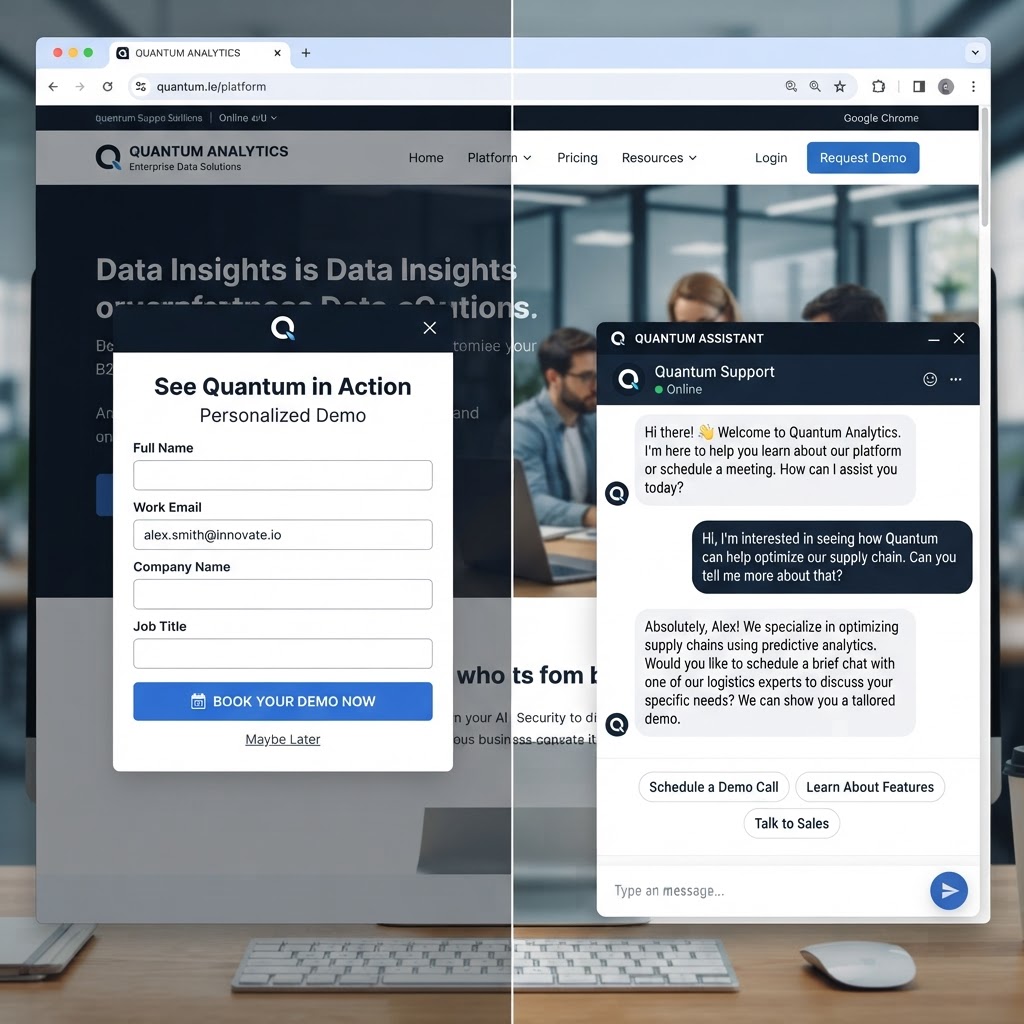
Intent-triggered popups give quarter-end urgency a way to reach the right visitors instead of everyone. A popup scoped to returning visitors who've hit the pricing page multiple times in a week can offer a direct scheduling link with "let's finalize this before quarter-end" messaging — a very different, more targeted approach than a site-wide banner. Paired with website de-anonymization, the same logic can go further: if a named target account revisits the site in the final two weeks of the quarter, that visit can trigger an internal alert to the assigned rep in addition to (or instead of) a popup, so outreach happens the same day rather than in next week's pipeline review.
Exit-intent popups also earn their keep here. A visitor who's spent real time comparing plans and is about to leave without converting is a reasonable candidate for a "talk to sales today" offer or a limited-time incentive — far more relevant than showing that same message to a first-time visitor still in the research phase.
What to Avoid
Quarter-end urgency messaging performs worst when it's untargeted. Showing "close before Sept 30" language to every visitor, including people on their first session, tends to depress conversion and can read as generic sales pressure rather than a relevant offer. The teams that get the most out of this tactic scope it tightly: identified accounts already in an active deal, ICP-fit visitors who've returned multiple times, or anyone showing strong exit intent on a pricing or demo page. Everyone else should keep seeing normal, non-urgent messaging.
Setting This Up Before the Quarter Ends
Because Smart Popups don't require engineering resources to build, a scoped quarter-end campaign can go live the same day it's decided on. Start with two segments: identified accounts already in an active sales cycle (routed to a direct scheduling link) and high-intent returning visitors matching ICP criteria (routed to a time-sensitive offer or a lighter "talk to us" popup). Layer in de-anonymization so sales gets a same-day nudge when a named account shows late-cycle activity, rather than finding out during next week's forecast call.
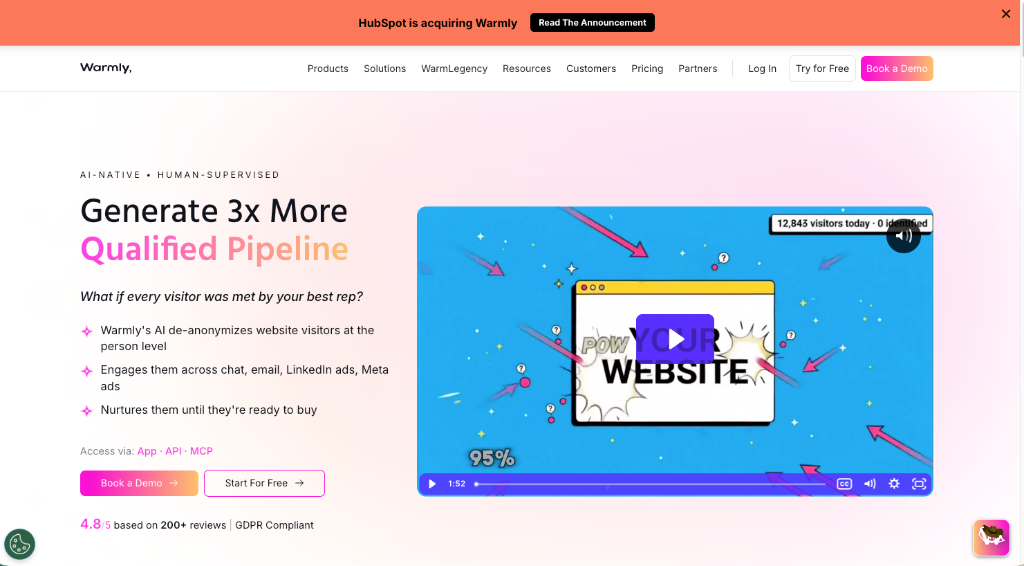
Explore Upvert's Smart Popups or see how the same urgency framing applies to promotional campaigns in how Warmly used a banner popup to announce its HubSpot acquisition.
Frequently Asked Questions
How can popups help B2B teams close more deals before quarter-end?
Intent-triggered popups can surface time-sensitive offers, end-of-quarter pricing, or a direct scheduling link to in-market accounts and returning visitors already showing buying signals, shortening the path from a late-stage website visit to a closed deal.
What triggers work best for end-of-quarter popup campaigns?
Returning-visitor status, pricing-page depth, and exit intent are the strongest signals for quarter-end urgency, since they indicate a visitor is actively comparing options rather than browsing casually.
Should end-of-quarter popups target every visitor?
No. Blasting urgency messaging at first-time, low-intent visitors tends to hurt conversion and brand perception. End-of-quarter urgency popups perform best when scoped to identified accounts already in an active sales cycle or showing strong ICP-fit and return-visit signals.
Can website de-anonymization help prioritize quarter-end follow-up?
Yes. De-anonymization identifies which companies are revisiting pricing or demo pages in the final weeks of the quarter, letting sales prioritize outreach to accounts that are actively evaluating rather than working a cold list.
How fast can a team launch a quarter-end popup campaign?
With Upvert, teams can typically launch a scoped, trigger-based popup campaign the same day, since no engineering resources are required to build or publish it.
Want to identify and reach your in-cycle accounts before the quarter closes? Book a demo or start a 14-day free trial of Upvert.