ABM Website Personalization Benchmark 2026: What the Data Shows About Account-Based Conversion
Nearly 80% of B2B organizations now run an active account-based marketing program, and personalized content is the single tactic ABM practitioners rank highest for ROI — cited by 47% of teams in 2026 benchmark research. Yet most ABM programs still personalize emails and ads while leaving the website, the place target accounts actually spend the most time, generic. Here's what the current data says about closing that gap.
ABM Has Moved Past the Pilot Stage
According to 2026 benchmark survey data from Demand Gen Report, roughly 80% of B2B organizations are actively executing an ABM strategy, up from a smaller share running pilots just a few years ago. Of those programs, 52% report meeting expectations, 23% exceeding them, and 10% greatly exceeding them — meaning the majority of ABM programs are now delivering measurable results, not experimental ones. The strategic question for 2026 isn't whether to run ABM, it's how to scale personalization without scaling headcount.
Personalized Content Is the Highest-ROI ABM Tactic
When asked which tactic delivers the best return, 47% of ABM practitioners pointed to personalized content — more than any other lever, including paid ad targeting or SDR outbound. AI is accelerating this: 29% of respondents say AI's biggest contribution to ABM is improving content personalization at scale, and AI-assisted personalization earned an average effectiveness score of 7.3 out of 10 for improving campaign outcomes. The practical translation for most teams: personalization work that used to require a designer and a developer per account now needs neither.
Where Website Personalization Fits
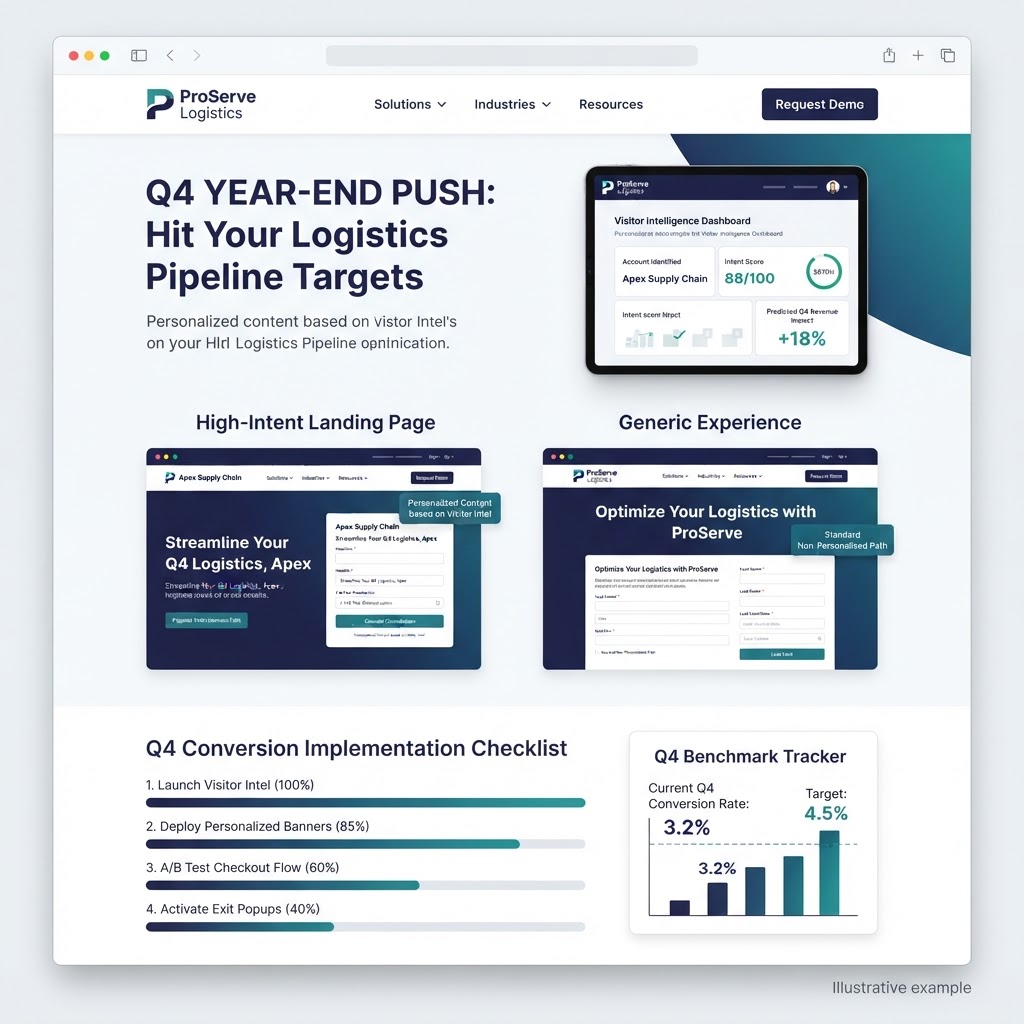
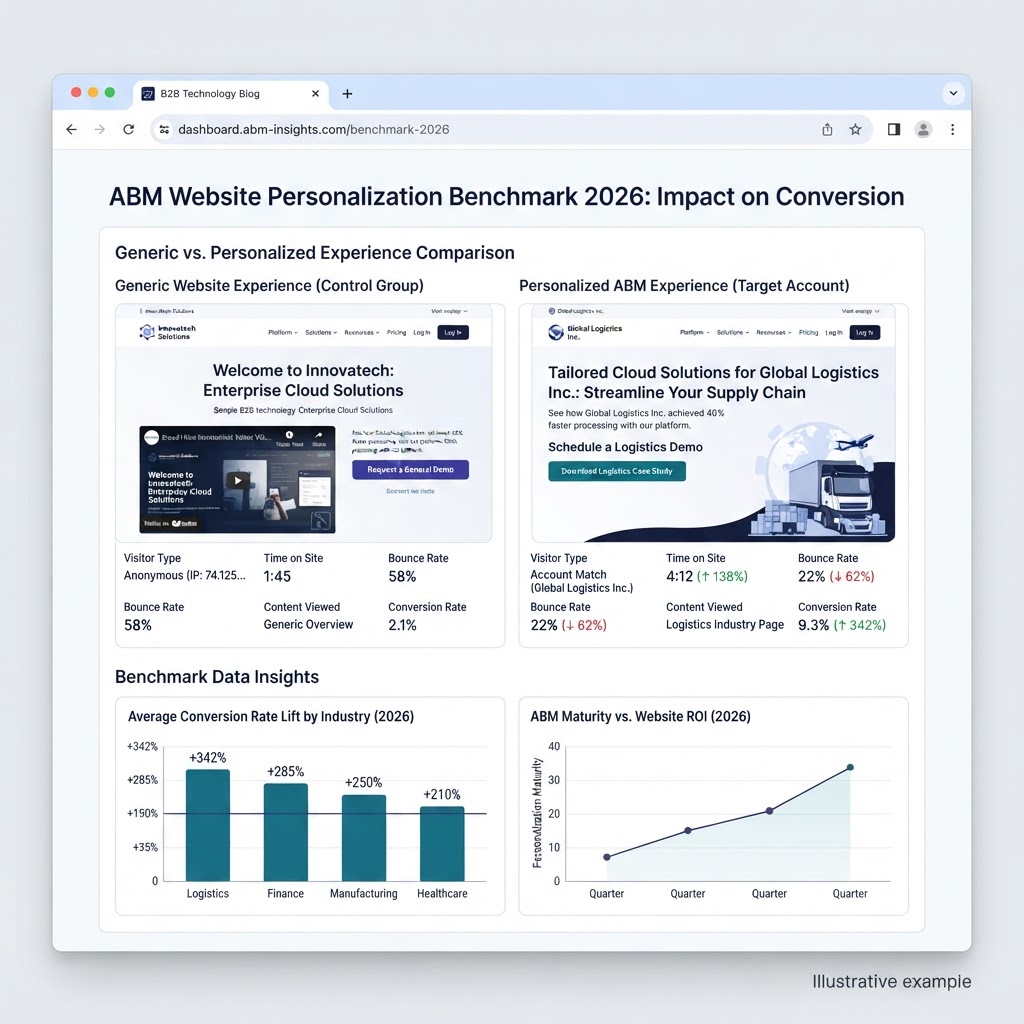
Personalized emails and ads get a target account to click. What happens after the click is where most ABM programs still underinvest. Industry benchmarks consistently show generic B2B homepages converting in the 1-2% range, while personalized microsites built for a specific account, industry, or persona convert at 5-10% — an 80%+ relative lift over a generic page. In ABM-specific scenarios, account-matched landing experiences have produced up to 3x more demo requests than sending the same target accounts to a standard homepage.
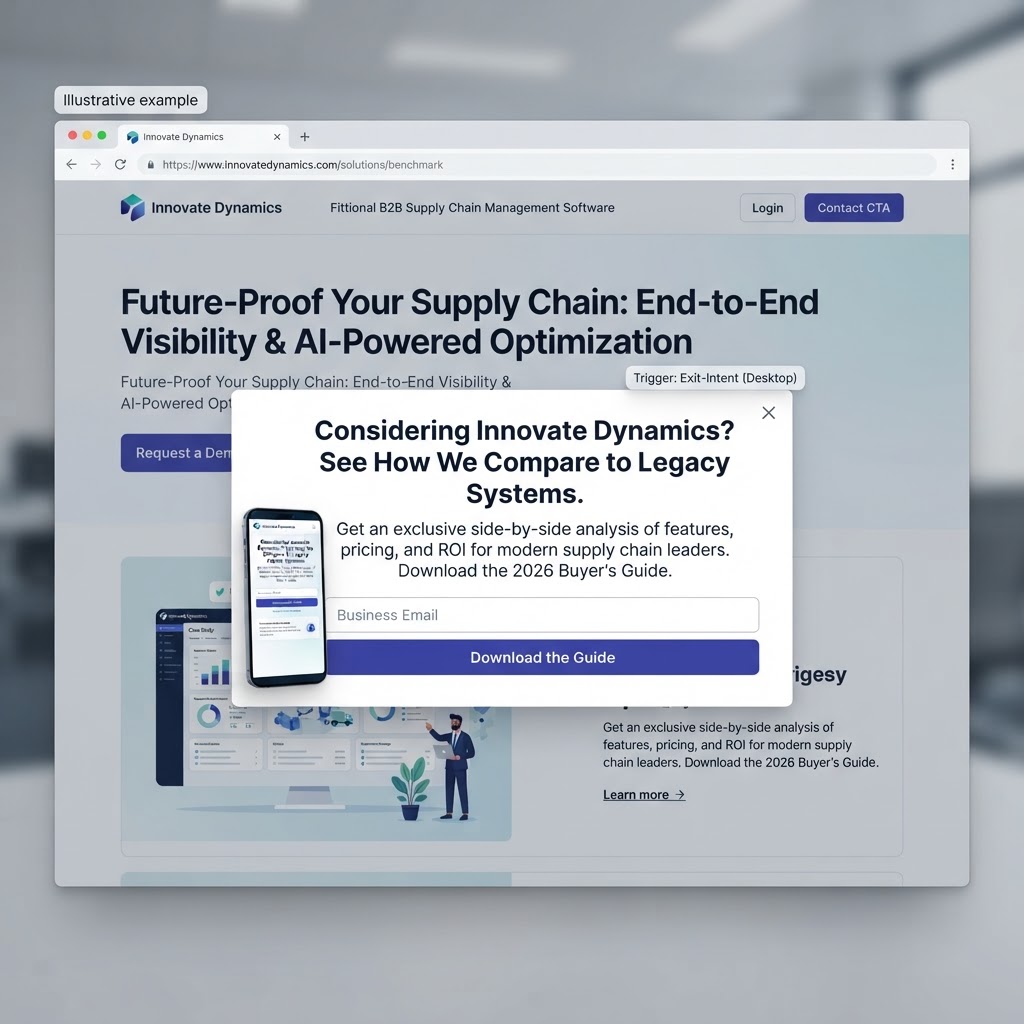
The mechanism is straightforward: pairing website de-anonymization with a target account list means a visitor from a named ABM account can be matched the moment they land, and served a microsite with their logo, industry-specific case studies, and a relevant CTA — without a form fill first. That closes the gap between "we personalized the outreach" and "we personalized the experience the outreach led to."
What This Means for 2026 Planning
Three shifts stand out in the 2026 data: personalization is consolidating around AI-assisted execution rather than manual production; ROI attribution is getting stricter, with teams under more pressure to tie ABM spend to pipeline and revenue rather than engagement metrics; and the website is emerging as the most under-personalized channel in an otherwise well-personalized ABM stack. Teams building 2026 ABM budgets should weight website personalization and visitor identification alongside the ad and email spend they've already optimized.
Frequently Asked Questions
What percentage of B2B companies run ABM programs in 2026?
Roughly 80% of surveyed B2B organizations report actively executing an account-based marketing strategy, according to 2026 benchmark research from Demand Gen Report.
What's the highest-ROI ABM tactic according to 2026 data?
Personalized content, cited by 47% of ABM practitioners as their highest-ROI tactic — ahead of paid targeting and outbound.
How much better do personalized microsites convert than generic pages?
Generic B2B homepages typically convert at 1-2%, while personalized microsites built for a specific account or segment convert at 5-10%, and account-matched pages have driven up to 3x more demo requests in ABM scenarios.
How does website de-anonymization support ABM?
It identifies which named target accounts are on your website in real time, so you can trigger a personalized microsite or popup for that account automatically instead of relying on the visitor to self-identify through a form.
Does AI actually improve ABM personalization results?
2026 survey data rates AI's impact on personalization effectiveness at 7.3 out of 10 on average, with 29% of respondents citing personalization at scale as AI's single biggest contribution to their ABM program.
Want your ABM target accounts to see a personalized experience the moment they land? Start a free trial or book a demo of Upvert's microsites and de-anonymization.