How a Mid-Market PLG SaaS Company Lifted Trial-to-Paid Conversion 24% With Intent-Triggered Popups
A mid-market project management SaaS company used Upvert's intent-triggered popups to identify free-trial users showing premium-tier behavior — inviting teammates, hitting usage limits, exploring integrations — and served upgrade prompts at that exact moment instead of on a fixed timer. The result was a 24% lift in trial-to-paid conversion within the first full billing cycle, driven entirely by timing and targeting rather than by discounting or added sales outreach.
This case study illustrates a common pattern among Upvert's product-led growth customers using intent-triggered, in-app popups. Specific company details have been generalized to protect customer confidentiality.
Product-led growth teams live and die by one metric: trial-to-paid conversion. Most teams try to move that number with better onboarding emails or a slightly shorter free trial window. One mid-market project management SaaS company took a different approach — treating in-app behavior, not calendar days, as the trigger for its upgrade prompts.
The Problem: A Flat 6% Trial-to-Paid Rate
The company's 14-day free trial was converting at a stubborn 6% — in line with the 2–5% industry average for freemium and trial products, but not where the team needed it to be to hit growth targets without increasing paid acquisition spend. Their existing upgrade prompt was a single in-app banner shown to every trial user on day 10, regardless of how much — or how little — value that specific user had gotten from the product by that point.
The team's hypothesis: users who were already exhibiting premium-tier behavior — inviting teammates, creating multiple projects, connecting integrations — were far more likely to convert than users who had barely logged in, and treating them identically was leaving conversions on the table.
The Fix: Behavior-Triggered Popups Instead of a Day-10 Banner
Using Upvert's intent-triggered popup engine, the team replaced the fixed-day banner with a set of behavioral triggers matched to specific in-product actions:
- Team invite trigger: A user inviting a third teammate — a strong signal of team-wide adoption — saw an upgrade prompt highlighting the plan's team collaboration limits.
- Usage-limit trigger: A user approaching a free-tier project or storage limit saw a contextual prompt at the exact moment they hit friction, rather than a generic reminder days later.
- Integration-exploration trigger: A user connecting or attempting to connect a premium-only integration saw a targeted prompt explaining exactly what upgrading would unlock for that specific workflow.
- Multi-session engagement trigger: Users returning for a third or fourth session within the trial window — signaling habit formation — received a lighter-touch prompt reinforcing value already delivered rather than pushing urgency.
Each trigger fired a different popup variant, so the message matched the specific behavior rather than repeating the same generic "Upgrade Now" copy across every use case.
The Results
The team-invite trigger was the standout performer — users who invited a third teammate and then saw a team-collaboration-focused upgrade prompt converted at more than three times the rate of users who only saw the generic day-10 banner. The usage-limit trigger performed second best, converting well specifically because it addressed a real, immediate friction point rather than an abstract future benefit.
Why Behavior-Based Timing Outperforms Calendar-Based Timing
The mechanism behind the lift is straightforward: a calendar-day trigger has no relationship to whether a user has actually experienced enough product value to justify paying. A behavior-based trigger, by definition, only fires once a user has demonstrated the specific action that correlates with long-term value and habit formation. That's a fundamentally better-qualified moment to ask for a credit card.
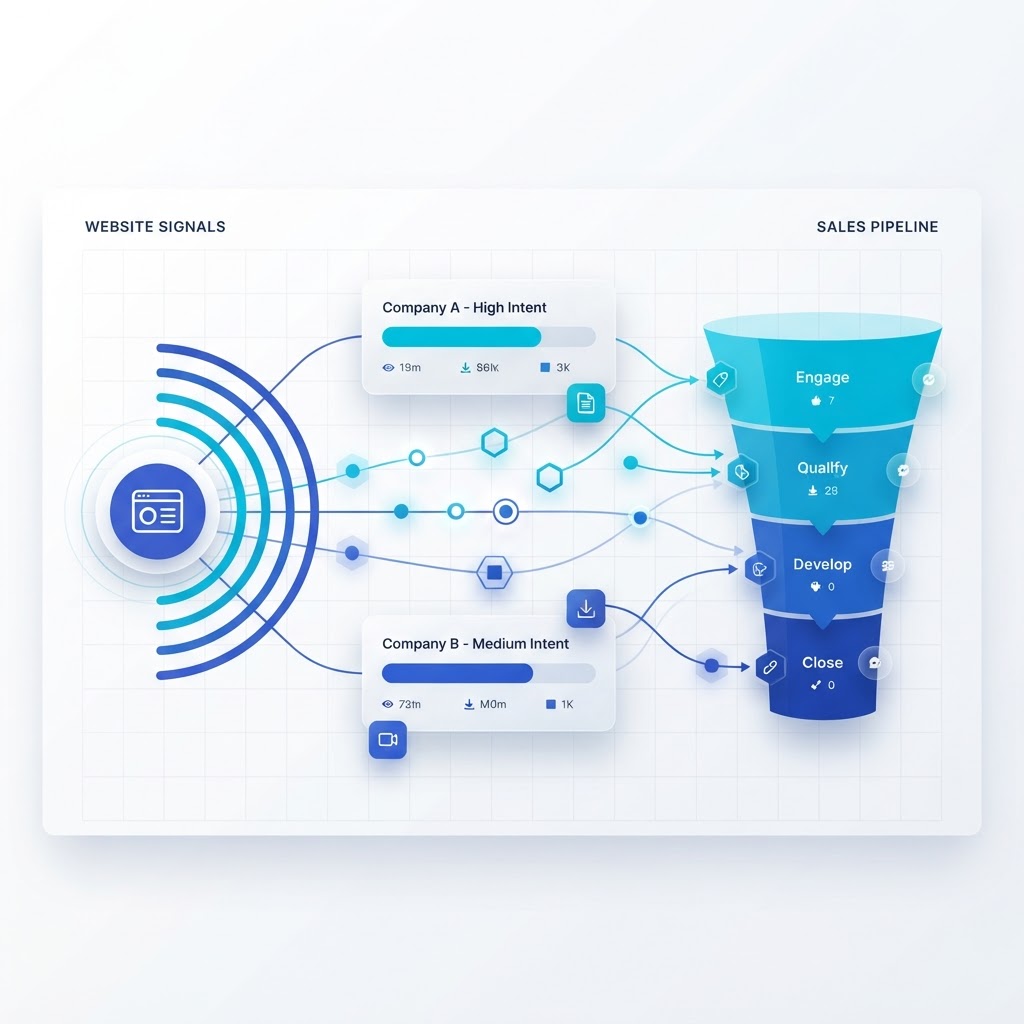
This same logic extends beyond PLG upgrade prompts — it's the same principle behind de-anonymization-driven popups on marketing websites, where a visitor's behavior (pages viewed, return visits, company profile) determines the message rather than a fixed page-load timer.
Frequently Asked Questions
Intent-triggered popups fire based on a user's specific in-product behavior — inviting teammates, hitting a usage limit, exploring a premium feature — rather than a fixed calendar day or session count. This ensures the prompt appears at the moment a user is most likely to find it relevant and valuable.
In this case, replacing a single day-10 banner with four behavior-triggered popup variants lifted overall trial-to-paid conversion by 24%, with the strongest individual trigger (team invites) converting more than three times better than the generic banner it replaced.
This team implemented four distinct behavioral triggers in under a week using Upvert's popup engine, which supports triggers based on page depth, time-on-page, scroll percentage, specific in-product actions, and account-tier targeting without requiring custom engineering work.
No. The same behavior-triggered popup infrastructure is commonly used for onboarding nudges, feature adoption campaigns, churn-risk re-engagement, and cross-sell prompts — any moment where a specific in-product action is a better signal than a fixed schedule.
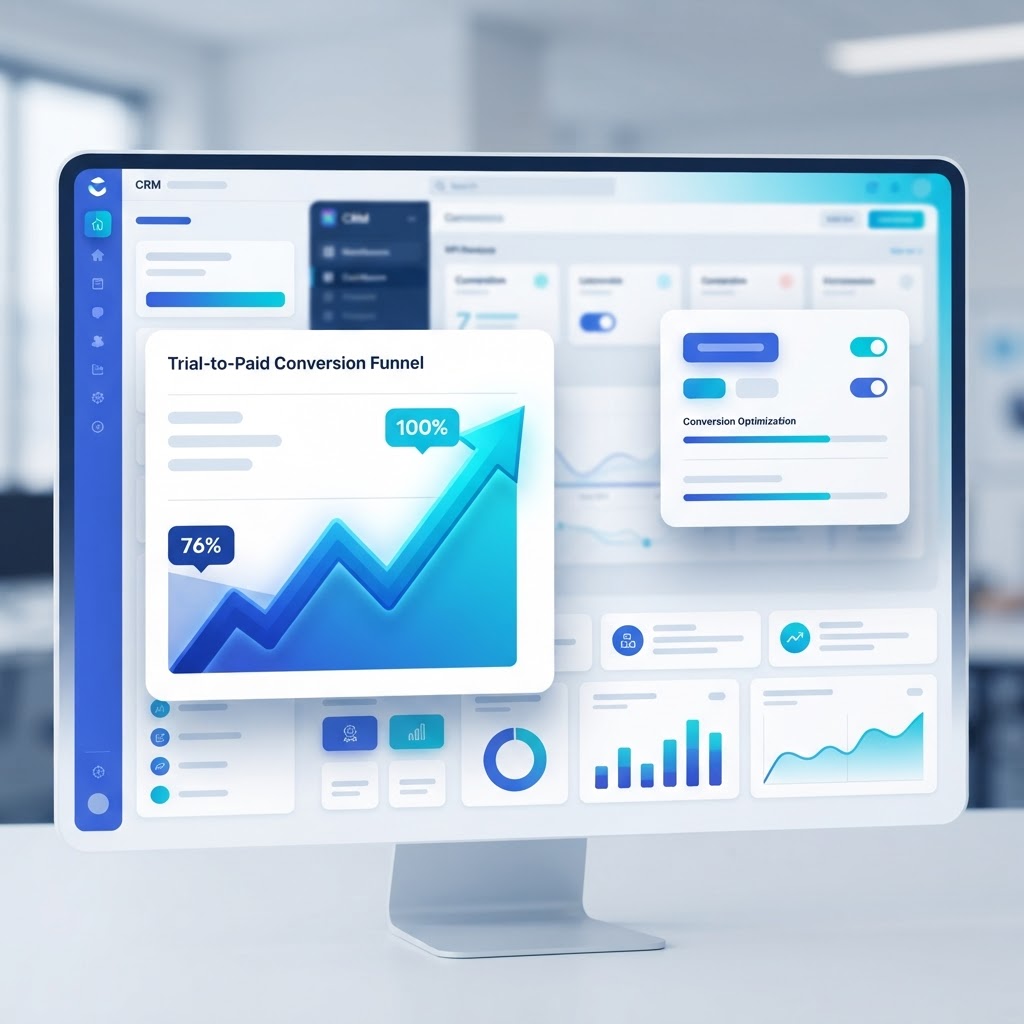
Replacing a single fixed-day upgrade banner with behavior-triggered popups turned a flat 6% trial-to-paid rate into 7.4% — a 24% relative lift — without discounting, added sales headcount, or a longer trial window. The change was entirely about matching the message to the moment.
See how intent-triggered popups could lift your own PLG conversion funnel — book a demo or start a free trial of Upvert.