The Agentic Web Is Hiding Your Buyers: Why Website De-Anonymization Matters More in 2026
AI browsers and agentic assistants are increasingly researching B2B products on behalf of human buyers, browsing headlessly and rejecting consent banners in ways that make those visits invisible to traditional analytics tools like GA4. That's a growing blind spot for B2B teams: your buyer's shortlist may already be forming before your analytics ever registers a visit. Website de-anonymization, which identifies visiting companies at the network level rather than relying on cookies or client-side tracking, is one of the few methods that still works as agent-driven browsing scales.
What's Actually Changing in 2026
Bot and automated traffic have been rising for years, but 2026 marks an inflection point. Industry analysis presented at Superweek 2026 put bot traffic ahead of human traffic online as early as 2024, and the gap is widening as AI browsing tools mature. New AI-powered browsers navigate the web on a user's behalf with aggressive default privacy settings — automatically rejecting cookie-consent banners — which means standard client-side analytics scripts never fire and the visit is effectively invisible to traditional measurement.
For B2B teams, this compounds an existing attribution problem. If an AI research assistant is quietly shortlisting vendors on a buyer's behalf, the nurture sequences, retargeting campaigns, and conversion funnels built around human-visible sessions are being partially bypassed — and marketing may have no record it happened.
Why IP-Level De-Anonymization Holds Up Where Cookie Tracking Doesn't
Network-Level Identification vs. Client-Side Tracking
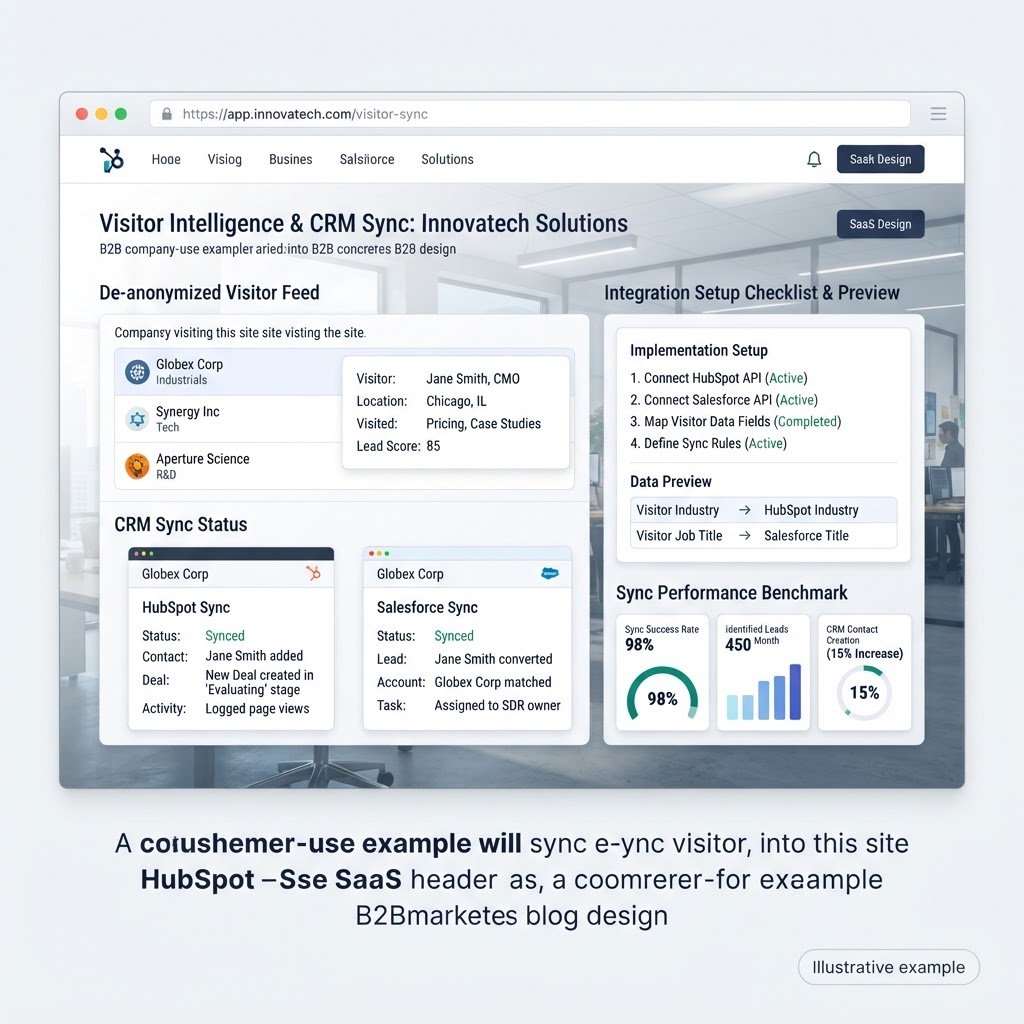
Traditional analytics depends on JavaScript execution and cookie consent in the visitor's browser — exactly the layer that headless AI browsing sidesteps. Upvert's website de-anonymization, powered by Warmly.ai's identity-resolution partnership, instead matches the visiting IP address against a business network database and reverse DNS records at the infrastructure level. This doesn't depend on a script firing correctly in a consent-rejecting browser session — it identifies the originating network and company regardless of what happens client-side.
What This Means Practically
As more research traffic originates from corporate networks running AI agents or browser extensions, de-anonymization can still resolve those visits to a company, even when session-level analytics undercounts them. Accuracy still depends on network type — a visit routed through a residential proxy or consumer AI assistant will resolve less precisely than one from a recognizable corporate network — but it's a materially more resilient signal than cookie-based tracking in a browsing environment increasingly designed to avoid exactly that kind of tracking.
What B2B Teams Should Do About It
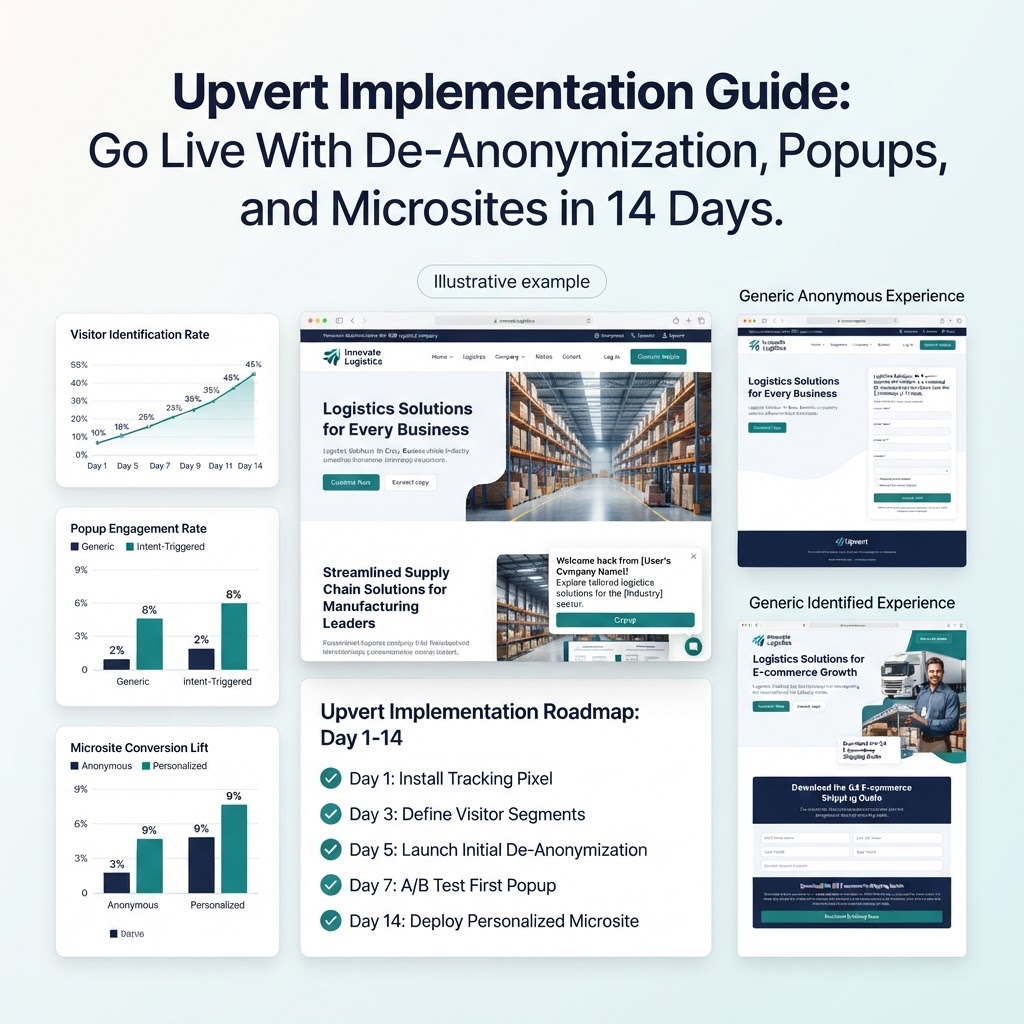
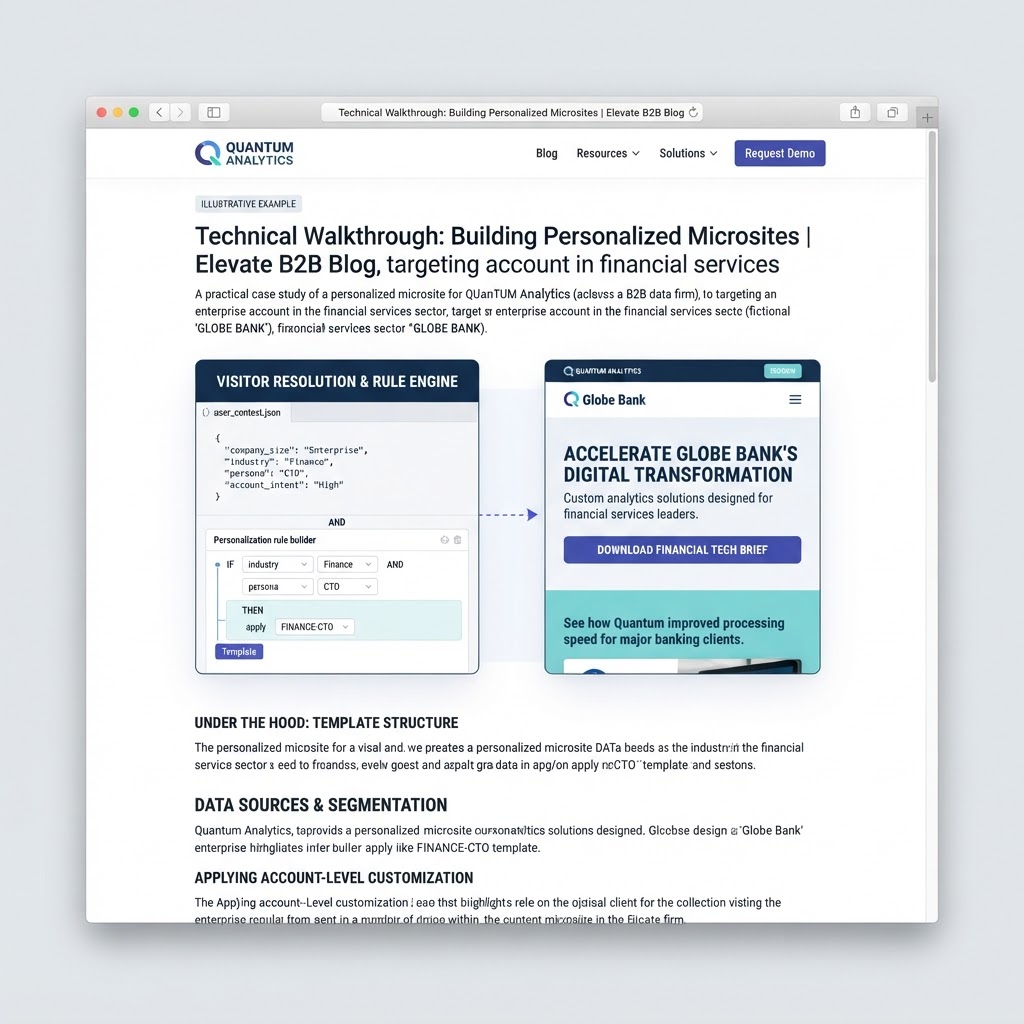
Two steps matter most in 2026. First, treat website de-anonymization as a baseline layer of visibility rather than a nice-to-have add-on to analytics — it's one of the few identification methods not dependent on the client-side tracking stack that agentic browsing is designed to bypass. Second, pair identification with an immediate response: personalized microsites and intent-triggered popups that react the moment a company is identified, since a visit that resolves to a company but never shows up as a "session" in GA4 still represents real buying intent worth acting on.
What This Doesn't Change
None of this makes traditional analytics obsolete — it makes analytics that ignores non-human and agent-driven traffic dangerously incomplete. B2B teams don't need to rebuild their entire measurement stack; they need a network-level identification layer that keeps working as more of the buying journey moves into headless, agent-mediated browsing.
Getting Ahead of It
Companies pairing de-anonymization with personalized landing experiences already see 15–22% increases in B2B conversion and up to 80% higher conversion on personalized pages versus generic ones — gains that come from acting on identification signals traditional analytics increasingly misses.
Frequently Asked Questions
Traditional analytics tools rely on client-side JavaScript execution and cookie consent in the visitor's browser. Many AI browsers operate in headless mode with default settings that reject consent banners, so the tracking script never fires and the visit isn't recorded.
De-anonymization identifies visits at the network level using IP matching and reverse DNS rather than client-side scripts, so it can resolve many agent-driven visits originating from recognizable corporate networks — though accuracy still varies by network type.
Industry data presented in 2026 indicates bot traffic surpassed human traffic online as early as 2024, and the share attributable to AI agents and crawlers continues to grow.
No — traditional analytics remains useful, but it should be paired with network-level identification methods like de-anonymization to account for the growing share of headless and agent-driven traffic that client-side tools miss.
Add a de-anonymization layer that identifies visiting companies independent of client-side tracking, and connect it to immediate on-site actions — personalized microsites or intent-triggered popups — so identified intent gets acted on even when it doesn't show up as a traditional analytics session.
As more of the buyer journey moves into headless, agent-driven browsing, network-level identification becomes less optional and more foundational.
See what de-anonymization surfaces in your current traffic — book a demo or start a free trial of Upvert.